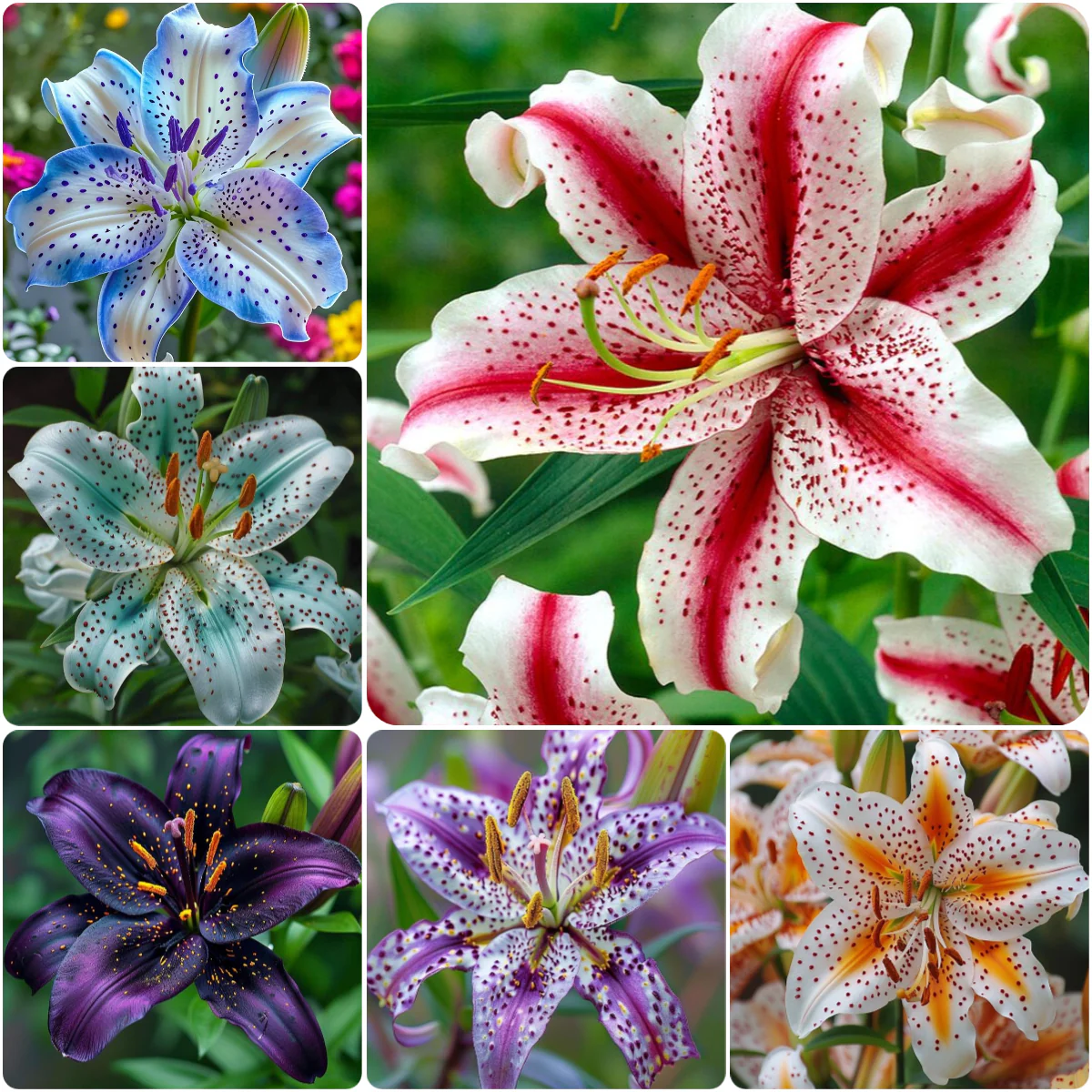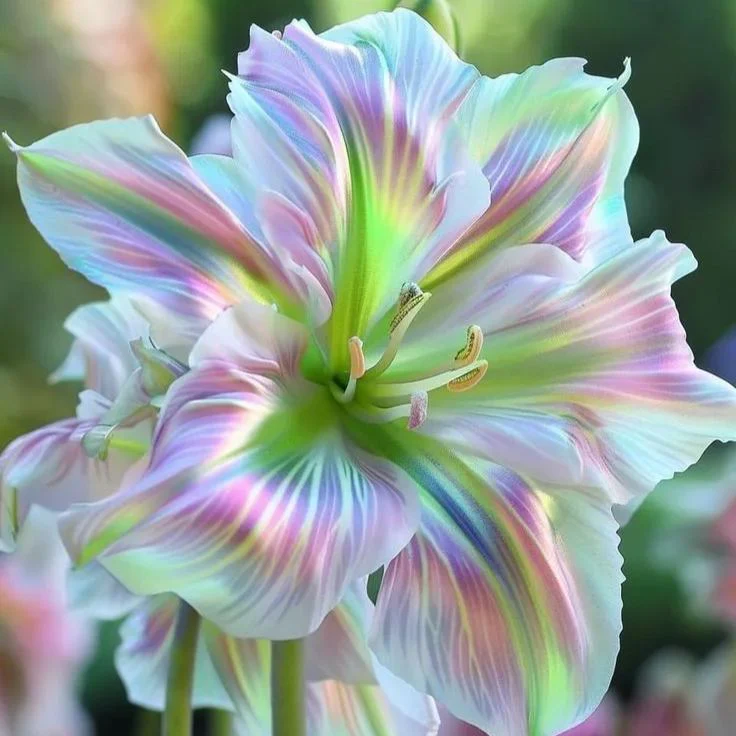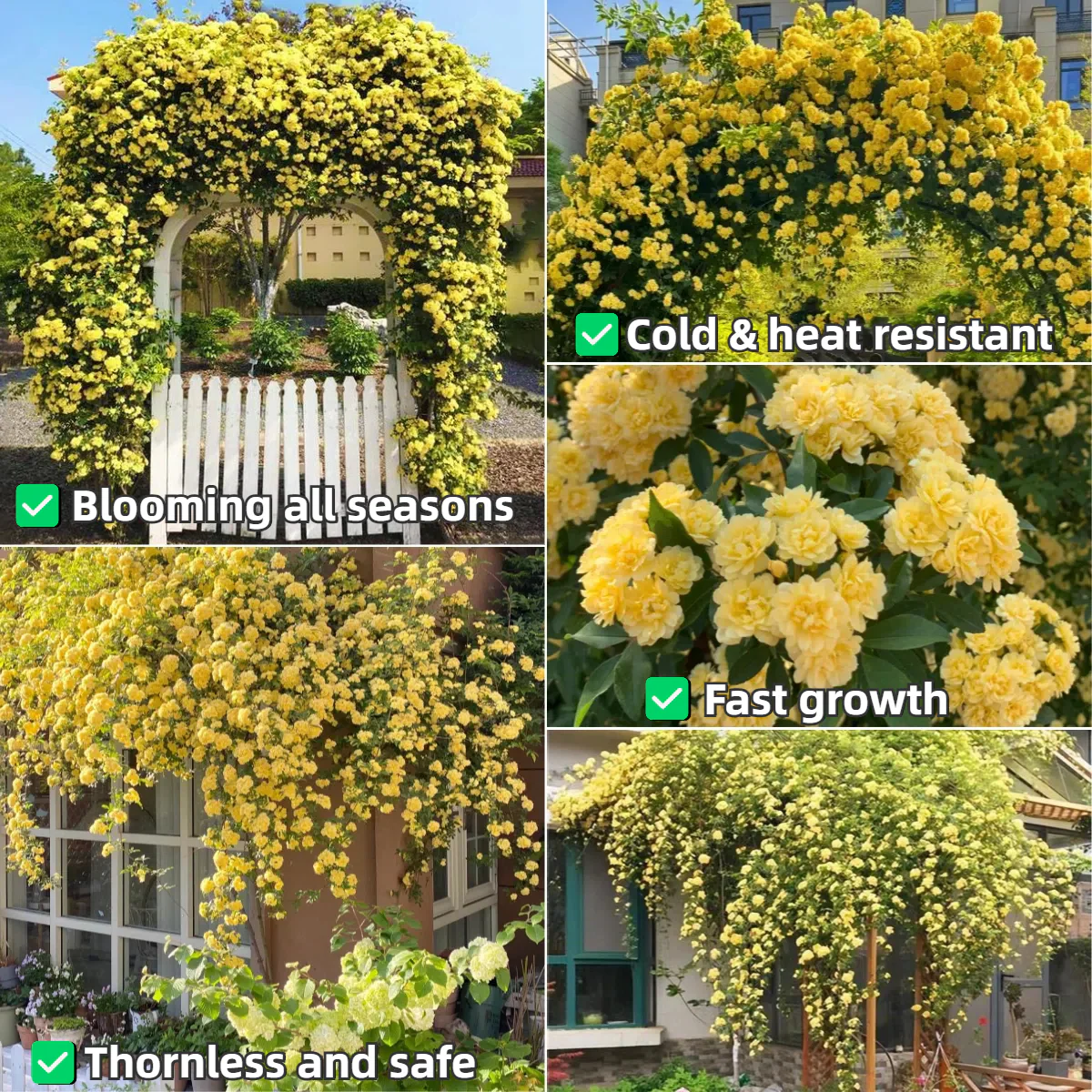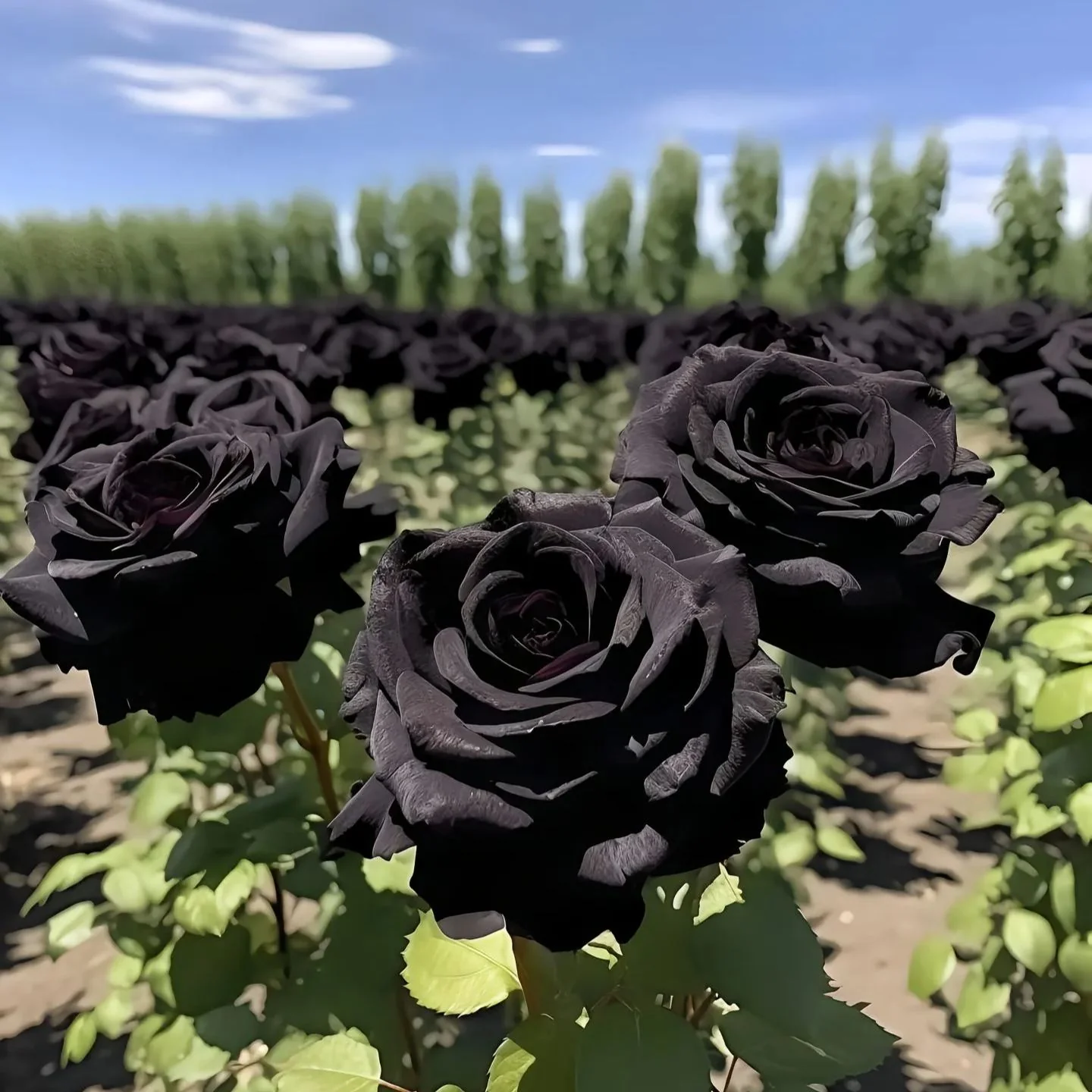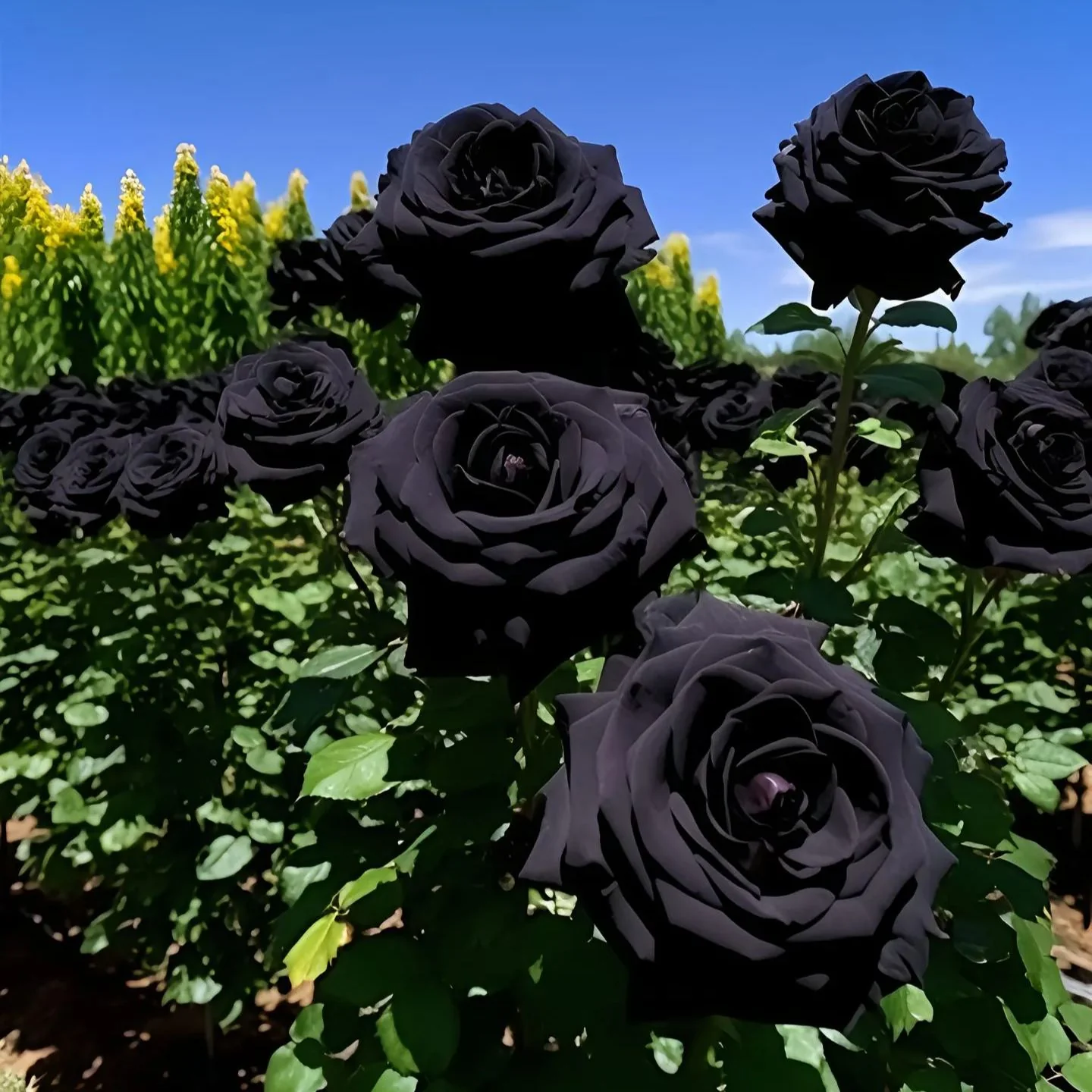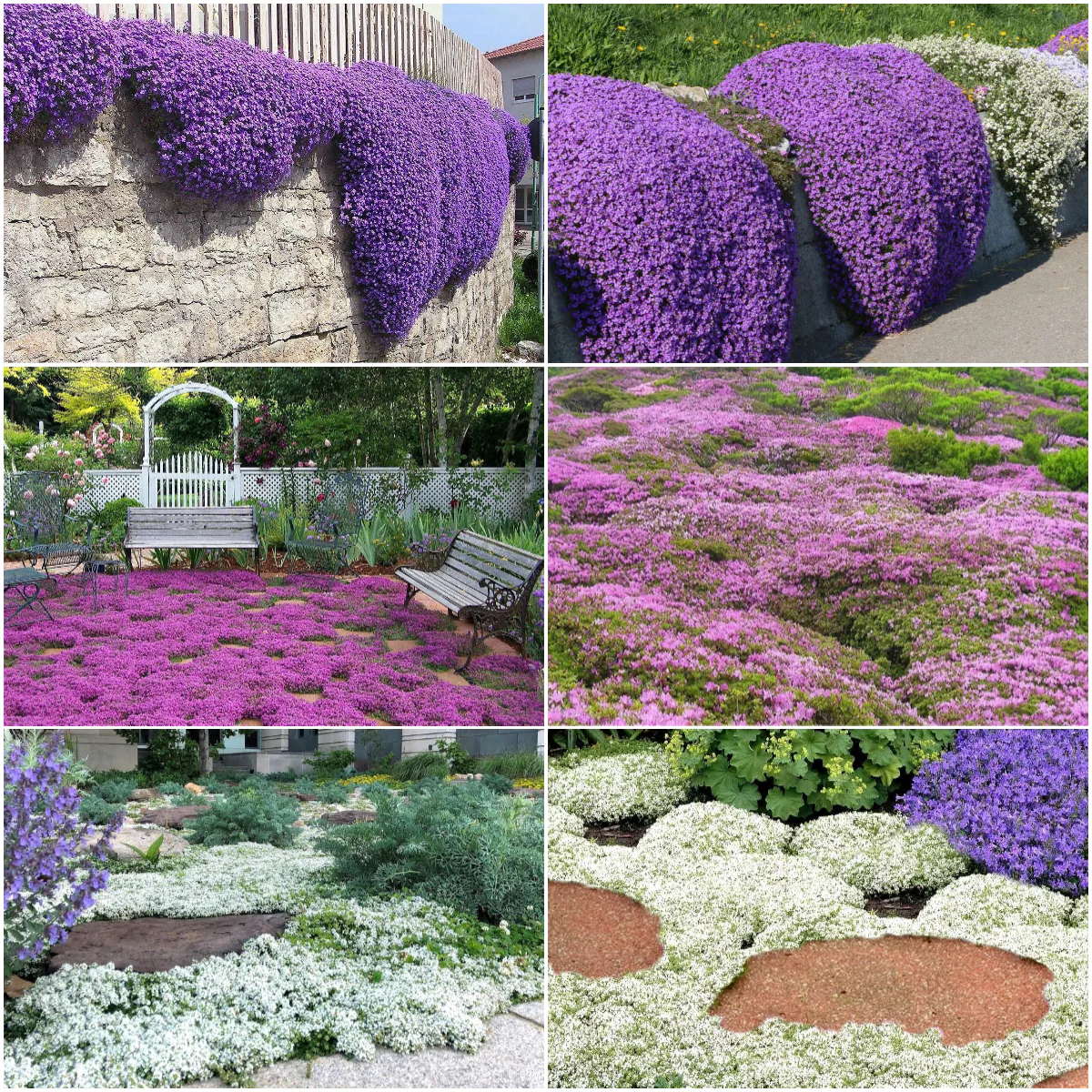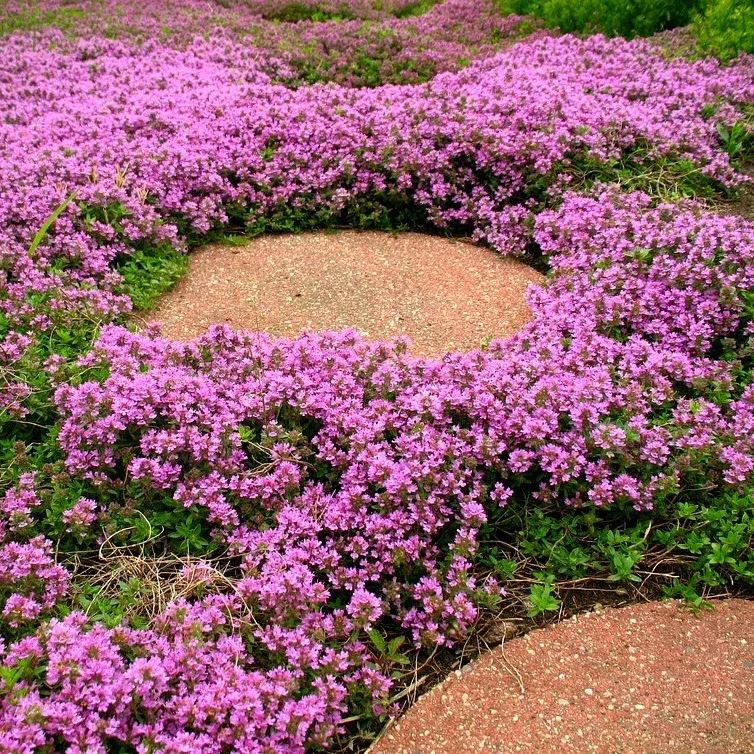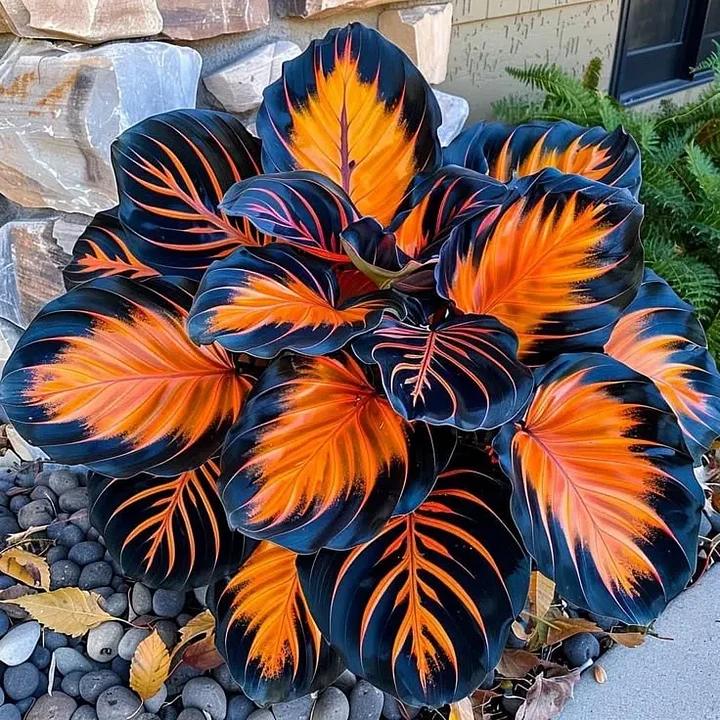


🌿 Rare Velvet Dwarf Hosta Seeds - Exquisite Shade-Loving Perennial for Gardens & Patios


Mature Plant Care Tips
Caring for mature Velvet Dwarf Hosta plants is simple and low-maintenance, making them perfect for busy gardeners. Here are some key tips to ensure your hosta thrives:
- Light: Keep your hosta in full shade or partial shade – 60–70% shade coverage is ideal. Avoid direct sunlight, especially during the afternoon, as it will damage the velvety foliage.
- Water: Water regularly to keep the soil evenly moist, but not waterlogged. Hosta prefers consistent moisture, especially during hot, dry weather. Water at the base of the plant to avoid getting water on the leaves, which can lead to fungal diseases. Adding a layer of mulch (such as leaf mold, compost, or wood chips) around the base of the plant will help retain moisture and suppress weeds.
- Fertilizer: Feed your hosta with a balanced, slow-release fertilizer in early spring, just as new growth emerges. You can also apply a diluted liquid fertilizer every 2–3 weeks during the growing season (spring to summer) to promote lush foliage growth. Avoid over-fertilizing, as this can cause the leaves to lose their velvety texture.
- Pruning: Remove any yellow or dead leaves in spring to make room for new growth. After the flowers fade in late summer, you can cut back the flower stalks to keep the plant looking neat, but this is optional – the dried stalks can add winter interest to the garden.
- Winter Care: In colder climates (Zones 3–5), add a layer of mulch (6–8cm / 2–3 inches) around the base of the plant in late fall to protect the roots from freezing temperatures. In milder climates (Zones 6–9), no additional winter protection is needed. The plant will go dormant in winter, losing its foliage, but will regrow in spring.
- Pest & Disease Control: Velvet Dwarf Hosta is relatively pest-resistant, but it can be susceptible to slugs and snails, which love to feed on the soft foliage. To deter slugs and snails, you can use slug bait, diatomaceous earth, or copper tape around the base of the plant. Fungal diseases like leaf spot can occur if the plant is in a poorly ventilated area or if water sits on the leaves – to prevent this, ensure good air circulation and water at the base of the plant.
Original: $15.99
-65%$15.99
$5.60Product Information
Product Information
Shipping & Returns
Shipping & Returns
Description
Mature Plant Care Tips
Caring for mature Velvet Dwarf Hosta plants is simple and low-maintenance, making them perfect for busy gardeners. Here are some key tips to ensure your hosta thrives:
- Light: Keep your hosta in full shade or partial shade – 60–70% shade coverage is ideal. Avoid direct sunlight, especially during the afternoon, as it will damage the velvety foliage.
- Water: Water regularly to keep the soil evenly moist, but not waterlogged. Hosta prefers consistent moisture, especially during hot, dry weather. Water at the base of the plant to avoid getting water on the leaves, which can lead to fungal diseases. Adding a layer of mulch (such as leaf mold, compost, or wood chips) around the base of the plant will help retain moisture and suppress weeds.
- Fertilizer: Feed your hosta with a balanced, slow-release fertilizer in early spring, just as new growth emerges. You can also apply a diluted liquid fertilizer every 2–3 weeks during the growing season (spring to summer) to promote lush foliage growth. Avoid over-fertilizing, as this can cause the leaves to lose their velvety texture.
- Pruning: Remove any yellow or dead leaves in spring to make room for new growth. After the flowers fade in late summer, you can cut back the flower stalks to keep the plant looking neat, but this is optional – the dried stalks can add winter interest to the garden.
- Winter Care: In colder climates (Zones 3–5), add a layer of mulch (6–8cm / 2–3 inches) around the base of the plant in late fall to protect the roots from freezing temperatures. In milder climates (Zones 6–9), no additional winter protection is needed. The plant will go dormant in winter, losing its foliage, but will regrow in spring.
- Pest & Disease Control: Velvet Dwarf Hosta is relatively pest-resistant, but it can be susceptible to slugs and snails, which love to feed on the soft foliage. To deter slugs and snails, you can use slug bait, diatomaceous earth, or copper tape around the base of the plant. Fungal diseases like leaf spot can occur if the plant is in a poorly ventilated area or if water sits on the leaves – to prevent this, ensure good air circulation and water at the base of the plant.